Call us @+234 806 558 2598

Stress Management Habits 2026: Reduce Anxiety and Improve Wellbeing – upandtrending.com

Stress management is a crucial life skill in modern society where work pressure, financial uncertainty, and social expectations interact daily. While stress is unavoidable, chronic unmanaged stress contributes to cardiovascular problems, mental fatigue, and reduced productivity.
Developing healthy habits is not about adopting complicated routines but about maintaining consistency in small behavioural adjustments. People who manage stress successfully usually do not rely on one solution but combine multiple lifestyle strategies that work together.
Understanding your personal stress pattern is the first step. Some individuals experience stress as physical tension, while others show emotional symptoms such as irritability or persistent worry. Recognising how your body and mind react helps you respond early before stress becomes overwhelming.
1. Maintain a Consistent Sleep Schedule
Sleep is one of the strongest biological foundations of emotional stability, cognitive clarity, and long-term stress control. When sleep patterns are irregular, the body’s stress regulation system becomes less efficient, often resulting in heightened cortisol production. Cortisol is the primary hormone involved in the body’s response to pressure, and persistent elevation of this hormone is linked to anxiety, mood disturbances, and fatigue.
Adults generally require between seven and nine hours of quality sleep every night, although individual needs may vary slightly depending on lifestyle, age, and health condition. What matters more than the exact number of hours is sleep consistency. Going to bed and waking up at roughly the same time each day helps the body maintain a stable circadian rhythm, which is the internal biological clock that controls alertness, hormone release, and energy levels.
People who sleep at unpredictable times often experience daytime sleepiness, reduced concentration, and increased emotional irritability. For example, sleeping very late on weekends and waking extremely late can disrupt weekday productivity and create what is sometimes called social jet lag. Keeping a regular sleep window throughout the week is therefore more effective than attempting to compensate for lost sleep in one long session.
If you struggle with insomnia, avoid forcing sleep. Getting out of bed after twenty minutes of wakefulness and engaging in a calm activity can help reset sleep pressure naturally.
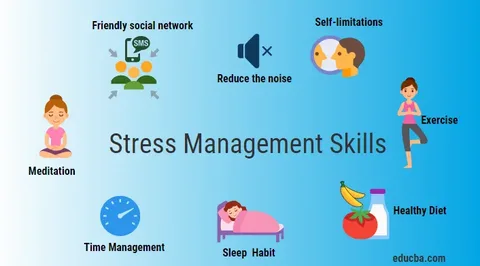
2. Engage in Regular Physical Activity
Regular physical activity is one of the most reliable non-medical methods of reducing stress because it helps regulate stress hormones and improves emotional stability. Exercise does not have to be intense or time-consuming to be beneficial.
Moderate activities such as brisk walking, swimming, or cycling are usually enough when done consistently. Many health guidelines suggest aiming for at least 150 minutes of moderate exercise each week, which can be spread across several days rather than completed at once.
Exercise supports the release of endorphins, the body’s natural mood-enhancing chemicals that help create a sense of wellbeing. It also reduces muscle tension caused by anxiety and improves blood circulation, which contributes to better energy levels and mental clarity.
If outdoor exercise is not possible, indoor activities such as stretching, yoga, or simple bodyweight workouts can still provide meaningful stress relief. The key is consistency rather than workout intensity.
3. Practice Controlled Breathing and Mindfulness
Breathing exercises are among the fastest methods of reducing acute stress responses. Slow inhalation through the nose for about four seconds, holding briefly, and exhaling slowly for six seconds can help stabilise heart rate.
Mindfulness training encourages awareness of the present moment without excessive emotional judgment. Instead of worrying about potential future problems, mindfulness helps redirect attention to current activities.
Mindfulness techniques are commonly used in cognitive behavioural therapy and other psychological interventions because of their effectiveness in anxiety reduction.
4. Limit Information Overload
The modern digital environment exposes individuals to continuous streams of news, social media updates, and online conversations. While staying informed is important, constant exposure can produce emotional exhaustion.
Setting specific time windows for checking messages or news platforms is a practical strategy. Many productivity specialists recommend avoiding social media immediately after waking up because the mind is still vulnerable to external influence during that period.
Uncontrolled consumption of online content can create unnecessary comparison anxiety, especially when people measure their lives against curated online images.
5. Eat Balanced and Regular Meals
Good nutrition plays an important role in maintaining psychological stability because the brain requires adequate vitamins, minerals, and energy supply to function properly. Poor diet patterns can increase stress sensitivity and worsen fatigue.
A balanced diet should include fruits, vegetables, lean protein, and whole grains. These foods help maintain stable blood sugar levels, which is important because sudden glucose fluctuations can contribute to irritability, mood swings, and loss of concentration.
Limit excessive caffeine intake, especially in the afternoon and evening, because high caffeine consumption can increase heart rate and sometimes produce anxiety-like symptoms in sensitive individuals. Staying properly hydrated is also essential since even mild dehydration can lead to headaches, poor focus, and emotional discomfort.
6. Build Strong Social Support Networks
Human beings are naturally social, and emotional connection is a protective factor against chronic stress.
Talking to trusted friends or family members helps release internal pressure and provides alternative perspectives on difficult situations. Social support does not necessarily require large friend groups. Even one reliable listener can make a difference.
Loneliness is often associated with negative mental health outcomes. Maintaining meaningful conversations, participating in community activities, or joining interest groups improves psychological resilience.
In large urban tourism centres such as New York City or Tokyo, social and recreational spaces contribute to emotional relaxation because of structured entertainment environments.
7. Spend Time in Well-Organised and Pleasant Environments
Your surroundings can influence your mental state because cluttered or noisy environments often increase subconscious tension. Staying in clean, structured, and visually pleasant spaces helps the mind relax and think more clearly.
Well-planned urban environments tend to provide better psychological comfort through reliable transport systems, safety, and organised public spaces. Highly visited global cities such as Hong Kong, known for its iconic harbour skyline and commercial energy, and Bangkok, popular for its vibrant street culture, offer environments that combine tourism, leisure, and activity.
Other major destinations include London, valued for historical landmarks and cultural stability, and Singapore, admired for exceptional cleanliness, safety, and urban planning.
Tourist-friendly cities such as Paris, Dubai, and Kuala Lumpur provide structured recreational spaces that help people temporarily disconnect from work-related pressure.
The cultural and historical mix of Istanbul also offers relaxation opportunities by blending European and Asian influences in a single environment.
8. Set Realistic and Structured Daily Goals
Stress often increases when expectations are unrealistic or when tasks appear overwhelming. Breaking large responsibilities into smaller, manageable steps improves productivity and reduces anxiety. Focus on completing priority tasks rather than pursuing perfection. Accepting that minor imperfections are normal can help reduce unnecessary pressure and support healthier long-term performance.
Using simple productivity systems such as task prioritisation lists helps maintain control over workload. Focus on completing important tasks rather than trying to achieve perfection.
Perfectionism is sometimes linked to anxiety because it encourages unrealistic performance standards. Accepting that minor imperfections are normal reduces psychological pressure.
9. Identify and Reduce Chronic Stress Triggers
Every individual has unique stress triggers. These may include workplace conflict, financial worries, academic pressure, or relationship challenges.
Keeping a simple personal reflection journal can help identify patterns. When you notice repeated emotional discomfort in specific situations, develop coping mechanisms or modify your exposure when possible.
Not all stress sources can be eliminated. In such cases, learning emotional regulation techniques is more practical than attempting total avoidance.
10. Know When Professional Support Is Necessary
Persistent stress symptoms should not be ignored. Signs that professional help may be needed include prolonged sleep disruption, panic episodes, loss of interest in usual activities, or continuous feelings of hopelessness.
Healthcare professionals provide structured treatment options tailored to individual needs. Seeking help early improves recovery outcomes.
Mental wellbeing should be treated with the same seriousness as physical health conditions.
Frequently Asked Questions (FAQs)
What is the fastest natural way to reduce stress?
Deep breathing exercises, short physical walks, and temporarily stepping away from stressful environments are immediate relief methods.
Can stress be completely eliminated from life?
No. Stress is a natural biological response that can sometimes be useful for motivation. The goal is effective management rather than elimination.
How does exercise help with stress?
Exercise improves circulation, balances hormone levels, and supports the release of mood-enhancing neurotransmitters.
Is social media harmful to mental health?
Excessive and uncontrolled use can increase anxiety and comparison behaviour. However, intentional and limited use is generally safe.
What type of diet supports stress management?
Dietary patterns rich in natural foods, vitamins, and minerals help maintain emotional stability.
Finally, stress management requires patience, discipline, and consistency. There is no single universal solution because individual responses to stress differ. However, combining healthy sleep habits, regular exercise, social connection, and environmental balance provides a strong foundation for long-term wellbeing. Making small improvements today can protect both mental strength and productivity in the future.

