Call us @+234 806 558 2598

Home Office Design for Small Spaces: How To Maximize Productivity and Comfort – upandtrending.com

The shift toward working from home has changed the way we look at our living spaces forever. For many people, particularly those living in compact city flats or cosy terraced houses, the dream of a sprawling mahogany desk in a dedicated study is far from reality. Instead, we are often left trying to balance a laptop on a kitchen island or squeezed into the corner of a bedroom.
The challenge is not just about finding a place to sit, it is about creating an environment where you can actually get things done without your work life spilling over into your evening relaxation. Designing a great office in a small space is a mix of clever furniture choices and a bit of a psychological shift in how we view our floor plans.
Most people approach small office design by trying to shrink everything down. They buy a tiny desk and a tiny chair and hope for the best. However, a successful workspace is built on function rather than just size. It requires you to look at your home for hidden opportunities, those little pockets of space that currently serve no purpose but could become a hub of productivity.
By focusing on how you use the room and how the light moves through it, you can turn even the most awkward corner into a place where you feel motivated and professional. This is about making your home work harder for you, so you do not feel like you are living in an office twenty four hours a day.
Finding The Right Spot
The first step is to hunt for space in places you might have ignored. In many British homes, there are alcoves next to fireplaces or empty spots under the stairs that are perfect for a compact desk setup. These architectural gaps are often just the right size for a workspace and can be tucked away so they do not interrupt the flow of the room.
If you do not have an obvious nook, look at your hallways or even the end of a landing. These areas are often used only for walking through, but a slim desk can turn them into a functional zone. The key is to find a spot that feels somewhat separate from your main relaxation areas, like the sofa or the bed.
If you are really struggling for room, the cloffice or closet office is a brilliant solution that is gaining a lot of popularity. By clearing out a built in wardrobe or a large cupboard, you can fit a desk and some shelving inside. The biggest benefit here is that when the workday is over, you can literally close the door on your laptop and your to-do list.
This physical act of closing the door is a huge help for your mental health, as it creates a clear boundary between your professional and personal life. Even a very shallow cupboard can work if you use a desk that slides out or a wall mounted surface that folds down when you need it.
Choosing Furniture
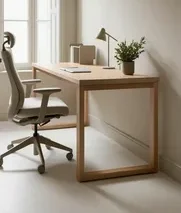
When space is at a premium, the type of furniture you choose makes a massive difference to how the room feels. Large, heavy desks can make a small room feel crowded and dark. Instead, you should look for furniture with a light visual footprint. This means desks with thin metal legs, glass tops, or light coloured wood. These materials allow light to pass through the space, making the room feel more open and airy.
Floating desks that bolt directly to the wall are particularly effective because they keep the floor clear. When you can see the floor beneath a piece of furniture, your brain perceives the room as being larger than it actually is.
Comfort should never be the thing you sacrifice to save space. Many people make the mistake of using a dining chair at their desk because it fits better, but after a few hours, your back will start to pay the price. Look for compact office chairs that still offer proper support.
There are many modern designs that have a lower back or arms that fold up, allowing you to tuck the chair fully under the desk when you are not using it. If your desk is in a multi purpose room, like a living room, you might even find a stylish armchair that provides enough support for a few hours of work but still looks like a piece of lounge furniture.
Using Vertical Space For Maximum Storage
In a small office, the floor is your most valuable real estate, so you need to stop using it for storage. This is where your walls come into play. Most of us have huge amounts of empty wall space that could be working much harder. By installing shelves that go all the way up to the ceiling, you can move your files, books, and equipment off your desk and out of the way.
High shelves are perfect for items you do not need every day, while lower shelves can hold your most used supplies. Keeping your desk surface clear is one of the best ways to stay focused, as a cluttered workspace often leads to a cluttered and distracted mind.
Pegboards are another factual and simple way to organise a tiny office. They are incredibly versatile because you can move the hooks and shelves around as your needs change. You can hang your headphones, cables, and even small baskets for pens and stationery. Because everything is visible and within reach, you do not have to go rummaging through drawers to find what you need.
If you want to keep the look clean and professional, you can paint the pegboard the same colour as your wall. This makes the storage look like a built in part of the room rather than a messy addition. Using the back of a door is another great trick for hanging organisers that can store light office supplies without taking up any extra room at all.
Mastering The Lighting
Good lighting is essential for any workspace, but it becomes even more important in a small area where shadows can make things feel cramped. Natural light is always the best option for your mood and your energy levels. If possible, try to place your desk near a window. However, you should try to avoid facing the window directly if the sun is too bright, as the glare on your screen can lead to eye strain.
Placing your desk perpendicular to the window is usually the best balance. For those working in windowless corners or basements, you will need to rely on high quality artificial light that mimics the feel of a bright day.
Task lighting is your best friend in a small office. A dedicated desk lamp allows you to focus light exactly where you need it without having to light up the entire room with a bright overhead bulb. Look for lamps with adjustable arms so you can direct the light away from your monitor to avoid reflections.
LED bulbs are a great choice because they do not get hot, which is important when you are working in a tight space where the air can get stuffy quickly. If you have a floating desk or limited surface area, consider a clip on lamp or a wall mounted light to save that precious desk space for your computer and coffee.
Separating Work And Life
The biggest struggle with a small home office is the feeling that you are always at work. When your desk is three feet away from your bed, it can be hard to switch off. Zoning is the best way to handle this. You can create a visual zone by using a small rug that sits only under your office furniture. This tells your brain that once you step onto the rug, you are in work mode.
You could also use a different colour of paint or even a bit of removable wallpaper behind your desk to mark out the territory. These small visual cues are incredibly powerful for helping you transition in and out of your professional mindset.
Another part of zoning is managing your tech. In a small space, cables can quickly become a tangled mess that makes the whole room look untidy. Use cable ties or clips to keep your wires tucked neatly along the legs of your desk or behind your monitor. If you can, use wireless keyboards and mice to reduce the number of cables on your desk.
At the end of the day, try to clear your desk of everything but the essentials. If your office is in your bedroom, covering your monitor with a nice piece of fabric or putting your laptop in a drawer can help you relax. It is all about removing the reminders of work so you can fully enjoy your home.
Frequently Asked Questions On Small Home Office Space
How do I stop my home office from looking messy? The best way to keep a small office tidy is to have a place for everything. Vertical storage, like shelves and pegboards, helps keep items off your desk. You should also do a quick five minute tidy at the end of every day so you do not start the next morning facing a pile of clutter. Cable management is also key, as hidden wires instantly make a space look cleaner.
Can I build an office in a room with no windows? Yes, you can, but you need to be smart with your lighting. Use daylight bulbs that mimic natural light to keep your energy levels up. It is also a good idea to add a few low light plants, like a snake plant or a peace lily, to help the air feel fresher and make the space feel less enclosed.
What is the best desk for a very narrow space? A floating desk or a ladder desk is usually the best option for narrow rooms. Ladder desks lean against the wall and have a small footprint at the base, while floating desks take up no floor space at all. Both options provide enough surface for a laptop without sticking out too far into the room.
How can I make my small office more comfortable? Invest in a good chair first. After that, think about the height of your screen. Using a laptop stand to bring your monitor up to eye level will prevent you from slouching. Adding a small footrest or even a few personal items like a photo or a nice candle can make the space feel more inviting and less like a chore to sit in.
Is a standing desk a good idea for a small space? It can be, especially if you get a wall mounted standing desk or a compact converter that sits on top of your existing desk. Standing desks are great for your health and can actually save space because you do not always need a bulky chair taking up room behind you.
Making The Most Of Your Setup
Creating a home office in a small space is about being honest with what you really need to get your work done. We often think we need a lot of equipment, but most of us can be incredibly productive with just a laptop and a decent chair. By focusing on the essentials and using every inch of your space wisely, you can build an office that supports your career and your lifestyle. It is a factual and practical way to adapt to the new world of work without needing to move to a bigger house.
Remember that your office does not have to be perfect from day one. You can start with a simple desk and add shelving or better lighting as you go. The most important thing is to create a space where you feel comfortable and capable. When you have a dedicated spot that is designed just for you, your productivity will naturally increase, no matter how small that spot might be.
A well designed tiny office is a powerful tool for any modern professional, proving that you do not need a lot of square footage to do big things.

