Call us @+234 806 558 2598

Home Security System Installation: Save Money with Easy DIY Setup – Upandtrending.com

Keeping your home safe is one of those things that feels like it should be a top priority, but the price tags on professional home security systems can often be enough to put anyone off. For a long time, having a secure house meant paying a company thousands of pounds for sensors, wiring, and a monthly monitoring fee that never seemed to end. However, the technology has changed so much in the last few years that you can now set up a very effective system yourself for a fraction of the cost.
You do not need to be a tech expert or a professional builder to make your home a much harder target for intruders. It is more about being smart with your choices and understanding the basic facts of how home security actually works.
The goal of a budget security system is not to turn your house into a high-tech fortress, but to make it less appealing to a burglar than the house next door. Most opportunistic criminals are looking for an easy win, something quick and quiet where they can get in and out without being noticed.
By installing a few key pieces of equipment and making some simple changes to your daily habits, you can create a deterrent that is incredibly effective. This guide is all about the practical, low-cost steps you can take today to give yourself some peace of mind without breaking the bank.
Start With The Simple Things
Before you spend a single penny on cameras or smart alarms, you should look at the physical security of your home. A factual reality of home security is that most burglars enter through a door or a window that was either left unlocked or was easy to force open. Start by checking all your door locks. If you have moved into a new place recently, it is always a good idea to change the locks, as you never know who might still have a spare key.
For a small cost, you can upgrade your front and back door cylinders to anti-snap locks, which are much harder for someone to break. It is a simple physical upgrade that provides a massive amount of protection for very little money.
Lighting is another powerful tool that does not cost much to run. A dark house is a gift to an intruder because it provides cover. You can install motion-sensor lights around your front door, back garden, and side paths for a very reasonable price. These lights are simple to install and act as a brilliant psychological deterrent, as no one likes a bright spotlight being shone on them when they are trying to be sneaky. Inside the house, you can use cheap plug-in timers for your lamps.
Setting them to come on at different times when you are out makes the house look occupied, which is often enough to make a burglar move on to a different target.
Choosing Your DIY Tech
The rise of DIY smart home tech has been a game-changer for people on a budget. You can now buy individual cameras and sensors that connect directly to your home Wi-Fi, allowing you to monitor your house from your phone. When you are looking for a budget system, it is often better to buy components separately rather than committing to a massive, all-in-one kit. Start with a video doorbell.
These have become incredibly popular in the UK because they allow you to see and speak to anyone at your door, whether you are in the kitchen or out at the shops. It acts as both a camera and an intercom, and the mere sight of one is often enough to put someone off.
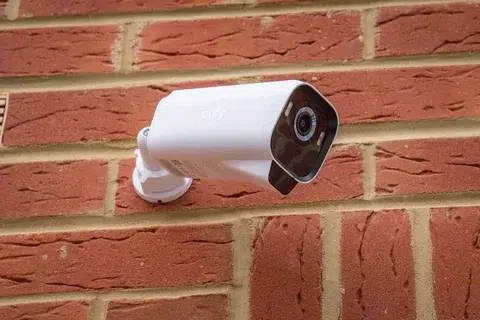
If you want to go a step further, you can add a couple of internal or external cameras. Many budget-friendly brands offer high-definition cameras that are easy to mount and set up via an app. When choosing your tech, look for systems that do not require a monthly subscription. Some brands try to lock you into a monthly fee to save your footage to the cloud, but you can find plenty of options that allow you to save video directly to a local memory card.
This saves you a significant amount of money over the long term. Factual research shows that even a single visible camera can reduce the risk of a break-in significantly, so you do not need to cover every single inch of your property to see a benefit.
Placing Your Sensors Wisely
Entry sensors are the unsung heroes of a budget security system. These are small, two-part devices that you stick to your doors and windows. When the two parts are separated, the sensor sends an alert to your phone or triggers a loud siren. They are incredibly cheap and can be installed in minutes with simple adhesive tape. You do not need a sensor on every single window in the house.
Instead, focus on the high-risk areas, such as the front door, the back door, and any ground-floor windows that are hidden from the street by bushes or fences. These are the places where a burglar is most likely to try their luck.
The key to a good sensor setup is the siren. A loud, piercing noise is the one thing a burglar hates more than anything else because it draws immediate attention to them. Most DIY kits come with a central hub that has a built-in alarm, but you can also buy standalone sirens that connect to your sensors.
If someone tries to force a window at two in the morning, the sound will wake you up and likely send the intruder running before they even get inside. It is a simple, factual way to protect your home that relies on basic physics rather than expensive monitoring services.
Managing Your System Yourself
One of the biggest costs of traditional security is the professional monitoring service. This is where a company watches your alarm for you and calls the police if it goes off. While this sounds great, it is often unnecessary for a basic home setup. Most modern DIY systems are designed for self-monitoring. This means that if an alarm is triggered, you get an instant notification on your smartphone. You can then check your camera feed to see what is happening and call the police yourself if you see something suspicious. This gives you the same level of control without the heavy monthly bill.
To make self-monitoring work, you just need to make sure your phone is set up to receive alerts even when it is on silent. You can also give access to your system to a trusted neighbour or a family member so they can check in if you are on a plane or in a meeting. This community-based approach to security is often just as effective as a professional service. It relies on the fact that you know your home and your neighbours better than a call centre in a different city ever could. By taking charge of your own security, you save hundreds of pounds a year while staying fully informed about what is happening at your property.
Using Simple Physical Deterrents
Sometimes the best security is the most basic. Simple things like putting a “Beware of the Dog” sign on your gate or a “CCTV in Operation” sticker in your window can be surprisingly effective. Even if you do not have a dog or ten cameras, the suggestion that you might have them is often enough to make a criminal choose a different house. Burglars are looking for the path of least resistance, and anything that suggests they might be caught or confronted makes your home a higher risk for them. These items cost a few pounds at a hardware store but provide a psychological layer of protection that tech cannot match.
Another factual tip is to look at your landscaping. Pruning back high hedges and bushes near your doors and windows removes hiding spots. If you have a side path, consider putting down some loose gravel. It is almost impossible for someone to walk quietly on gravel, and the sound of footsteps is a great early warning system for you. These are traditional security methods that have been used for decades because they work. Combining these physical deterrents with a bit of modern tech creates a balanced, layered system that is very hard to beat, especially considering how little it costs to put together.
Frequently Asked Questions
Can a cheap security system really be effective?
Yes, it certainly can. Most burglars are looking for an easy, quiet target. A basic system with a loud siren, some visible cameras, and good door locks is usually more than enough to make them move on. The most important thing is that the system is installed correctly and that you actually remember to turn it on. Even the most expensive system in the world is useless if the door is left unlocked.
Do I need a professional to install my security cameras?
For most modern DIY systems, you absolutely do not need a professional. Most cameras and sensors are designed to be “plug and play,” meaning you just plug them in and follow the instructions on an app. Many use battery power and adhesive strips, so you do not even need to do any drilling or complicated wiring. It is a very simple job that most people can do in an afternoon.
Are there any hidden costs with DIY security?
The main hidden cost to watch out for is the monthly subscription fee for cloud storage. Some brands will charge you a few pounds a month to save your video clips. You can avoid this by choosing cameras that have a slot for a local memory card or brands that offer a free basic level of storage. Always check the small print before you buy any hardware.
What is the best way to secure a rental property on a budget?
If you are renting, you probably cannot drill holes or change the locks. In this case, stick-on entry sensors and battery-powered cameras are your best bet. You can also use “door jammer” bars that sit under the handle and prevent the door from being pushed open. These are very effective, non-permanent solutions that you can take with you when you move out.
How many cameras do I actually need?
You do not need to turn your home into a film studio. For most houses, a video doorbell and one or two external cameras covering the back and side entrances are more than enough. The goal is to cover the main points where someone might try to get in. Too many cameras can actually be a distraction and make it harder to manage your alerts.
Staying Consistent With Your Safety
Building a budget security system is a great first step, but the most important part of any home safety plan is consistency. It is a factual reality that security only works if you use it every single day. Make it a habit to check all your doors and windows before you go to bed and every time you leave the house. Test your alarm every few months to make sure the batteries are still working and that the siren is still loud. If you have cameras, give the lenses a quick wipe every now and then to make sure the picture is clear. These small, free habits are what keep your system reliable over the long term.
At the end of the day, home security is about making yourself feel safe in your own space. You do not need to spend a fortune to achieve that. By combining simple physical changes with some smart DIY tech and a bit of common sense, you can create a system that protects your family and your belongings perfectly well. It is an empowering feeling to know that you have taken charge of your own safety without having to rely on an expensive company. A well-planned, budget-friendly setup is a brilliant investment in your home and your peace of mind.

