Call us @+234 806 558 2598

Air Conditioning vs Fans: Which Is Better For Your Health? Cooling Methods Compared: Health Benefits, Risks, and Comfort – Upandtrending.com

When the heat starts to rise, the first thing most of us think about is how to stay cool. We reach for the nearest switch, hoping for some relief from that heavy, humid air that makes everything feel like an effort. But beyond the immediate comfort, there is a much deeper conversation to be had about how we cool our homes and the impact it has on our physical well-being.
The choice between installing a full air conditioning system or relying on traditional fans is not just about the cost or the energy bill, it is about your sleep, your skin, and the very air you breathe every day. In the modern world, where we spend so much time indoors, the quality of our internal environment is a factual cornerstone of a healthy lifestyle.
The struggle to stay cool is universal, yet the way we handle it can vary wildly. Some of us love the crisp, mountain-air feel of a chilled room, while others prefer the gentle, natural movement of a breeze from an open window and a ceiling fan. There is no single right answer, but there are definitely different health outcomes to consider.
Understanding how these two technologies interact with our bodies allows us to make a choice that supports our health rather than just masking a problem. It is about creating a space where you can thrive, rather than just survive the summer months.
Managing Your Sleep
Sleep is perhaps the most important factual element of a healthy life, and temperature is the primary driver of how well we rest. Our core body temperature naturally needs to drop by about one or two degrees to signal to the brain that it is time to sleep. If a room is too hot, your body struggles to reach that lower temperature, leading to restless nights and a lack of deep, restorative sleep. This is where air conditioning has a massive advantage. It allows you to set a precise, consistent temperature, creating the ideal environment for your body to shut down and recover.
However, there is a catch to sleeping in a perfectly chilled room. While the coolness helps you drop off, the constant hum and the static temperature can sometimes feel a bit artificial. Fans, on the other hand, provide a more rhythmic, white-noise effect that many people find soothing. A fan does not actually lower the room temperature, it just moves the air over your skin, helping your sweat evaporate more quickly.
This cooling effect is much more natural, but it might not be enough if the ambient temperature is exceptionally high. For many, the best health outcome for sleep is a balance: using the air conditioning to bring the room down to a baseline and then a fan to keep the air moving gently throughout the night.
Breathing And Air Quality
When it comes to the air you are actually taking into your lungs, the two systems offer very different experiences. Air conditioning units are designed to filter the air as they cool it. Most modern systems come with high-quality filters that can trap dust, pollen, and other allergens that might otherwise float around your home. For people who struggle with hay fever or asthma, this can be a life-saver.
By keeping the windows closed and letting the machine clean the air, you are creating a factual sanctuary from the irritants outside. This leads to clearer breathing and fewer allergy flares during the peak seasons.
The downside of air conditioning is that if the filters are not cleaned regularly, they can become a breeding ground for bacteria and mould. This is a serious health risk that many people ignore. Fans, by contrast, do not filter the air at all. They simply move whatever is already in the room. If your house is dusty, a fan will keep that dust in constant motion, which can be a nightmare for anyone with sensitive respiratory systems.
On the plus side, fans encourage us to keep our windows open, bringing in fresh, oxygen-rich air from outside. The health benefit here is the psychological and physical boost that comes from natural ventilation, as long as the outdoor air is clean.
Skin And Hydration
One of the most common complaints about spending all day in an air-conditioned office or home is the effect on the skin and eyes. Air conditioners work by removing moisture from the air to reduce humidity. While this makes the air feel cooler, it also strips the moisture from your skin and the mucous membranes in your nose and throat. You might notice that your skin feels tight, your eyes feel scratchy, and you find yourself reaching for water more often. This dehydration is a factual physical response to the dry environment created by the cooling process.
Fans do not have this drying effect because they do not alter the moisture levels in the room. They leave the humidity exactly as it is, which is often much better for your skin and respiratory health. If you live in a place where the air is already quite dry, a fan is a much more human-friendly option for your physical comfort.
If you must use air conditioning, many health-conscious people find that using a humidifier alongside it helps to balance the scales. It is all about maintaining that delicate hydration levels that keep your body’s largest organ, your skin, functioning properly and looking healthy.
The Humidity Factor
Humidity is the silent partner of heat, and it is often what makes us feel most unwell. High humidity prevents our sweat from evaporating, which is our body’s natural way of cooling down. When we cannot cool ourselves, we feel sluggish, irritable, and physically exhausted. Air conditioning is a powerful tool for controlling humidity, which can prevent the growth of mould and mildew in your home.
This is a factual health benefit, as mould spores are a major cause of respiratory issues and allergic reactions. By keeping the air dry, you are protecting the structural health of your home and the physical health of your family.
However, there is a risk of making the air too dry. Extremely low humidity can lead to its own set of problems, including a higher risk of catching colds and the flu, as your nasal passages need a certain amount of moisture to trap viruses effectively. Fans do nothing to combat humidity. If the air is wet and heavy, a fan will just push that wet, heavy air around. In very humid conditions, a fan can actually make you feel more uncomfortable because it is struggling to help your sweat evaporate.
This is where the choice becomes very practical: if you live in a damp environment, air conditioning is often the healthier choice to keep your home environment stable and safe.
Moving Natural Air
There is something to be said for the psychological health benefits of natural air movement. We are biological creatures designed to live in environments with shifting breezes and changing temperatures. Staying in a perfectly controlled, 21-degree box all day can sometimes feel sterile and disconnecting. Fans, especially when used with an open window, keep us connected to the rhythms of the day. You hear the sounds of the outside world, you feel the changes in the air as the sun goes down, and you feel more like you are living in a home rather than a laboratory.
This connection to the outdoors can have a massive impact on your mental well-being. It encourages a more active lifestyle, as you are more likely to move between the indoors and outdoors when the transition is not a massive shock to your system. The “thermal boredom” of a constant, unchanging temperature can lead to a sense of lethargy. By using fans and natural ventilation, you are giving your body a bit of a challenge, which is factual for keeping your metabolism and your mind sharp. It is about finding that sweet spot where you are comfortable enough to be productive but not so comfortable that you become sedentary.
Frequently Asked Questions On Home Cooling
Is it healthier to sleep with a fan or air conditioning? It depends on your personal health needs. Air conditioning is better for those who need a precise temperature to fall asleep and for those with severe allergies. A fan is better for people who find the dry air of an AC unit irritating to their skin or throat. Many find that a combination is the best factual approach for a good night’s rest.
Does air conditioning actually make you sick? The machine itself does not make you sick, but poorly maintained filters can harbour bacteria and mould. Also, the sudden shift from a very cold room to a very hot outdoor environment can put stress on your immune system. Keeping your unit clean and avoiding extreme temperature settings is the best way to stay healthy.
Can fans help with allergies? Generally, no. Fans can actually make allergies worse by blowing dust and pollen around the room. If you suffer from seasonal allergies, an air conditioning system with a clean, high-efficiency filter is a much better choice for your home.
Why does my skin feel so dry in an air-conditioned room? Air conditioning works by removing humidity from the air. This dry air pulls moisture from your skin and eyes to compensate. To fix this, you can use a humidifier or simply ensure you are drinking plenty of water and using a good moisturiser to keep your skin’s barrier intact.
Which is better for the environment and my health? Fans use significantly less energy, which is better for the planet and reduces your financial stress. However, in extreme heat, an air conditioner is a factual necessity for preventing heatstroke and ensuring quality sleep. Choosing energy-efficient units and using them sparingly is the healthiest path for both you and the earth.
Making The Right Choice For You
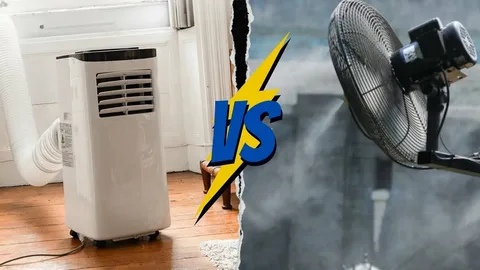
Choosing between air conditioning and fans is not a decision that should be based solely on convenience. When you look at it from a health perspective, you start to see that both have their place in a modern home. Air conditioning offers incredible control over your environment, providing a clean, cool, and dry space that is perfect for deep sleep and allergy relief. Fans offer a more natural, hydrated, and cost-effective way to stay comfortable while keeping you connected to the outside world.
The best strategy is usually one of flexibility. Use your air conditioning when the heat or humidity becomes a factual risk to your comfort and health, but don’t be afraid to switch it off and let the fans and the fresh air take over when the weather allows. By being mindful of how these systems affect your body, you can create a home that is truly a place of health and recovery. It is about being the boss of your own environment and making sure that your cooling choices are working for you, not against you.

